|
| alder seedling |
I ended up designing one that illustrated all of them. That's not really anything extraordinary, because permaculture is such an integrated system, it's almost impossible not to follow them once you are started down that road. Toby Hemenway writes in Gaia's Garden, that permaculture "...principles have deep and surprising interconnections..."
Now for an overview of the project. The spring before last, I had mob grazed a couple pigs through the pasture, part of which bordered the garden. There is a particularly low, poorly drained spot on the southwest corner of the garden, and here they had rooted up the ground so badly that it was both full of puddles and a tripping hazard. And strangely enough, the ruts they made were partially on contour. So I took a rake and made some berms and swales to finish what they had started. I ended up with something akin to the growing system used by the Aztecs called chinampas, only in miniature. During the fall, winter and most of the spring, the swales stayed full of water and hosted a variety of insects and amphibians. I grew sweet potatoes and tomatoes in the berms last summer, and while they did ok, it definitely needed improving.
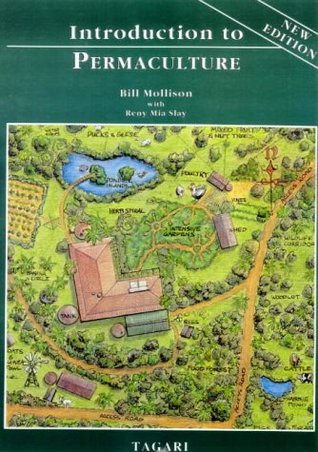
As in the chinampa system, to start the project off this spring, I waited until the swales had dried up, then shoveled the muck from the bottom onto the berms. After this, I decided to follow Bill Mollison's instant garden technique on page 103 of Introduction to Permaculture, which is similar to a lasagna garden. First, any weeds were slashed. Then seedlings were planted. I put elderberry, sunchokes and sweet potato tubers left over from last year's crop in two of the berms in the back, and ground cherries, dwarf sunflowers and Mayo Indian amaranth in two on the front. This was arranged to take advantage of the noon to sunset exposure without the taller plants shading the shorter ones. Straw and aged chicken manure were strewn near the seedlings, then a weed barrier of paper and cardboard was added. On top of this was placed a thick mulch of leaves, followed by a more aesthetic layer of pine straw. Along the garden fence I planted a cross vine, wild rose and an alder. Most of these plants came from the moist woods and creek bank across from the pasture, and I chose them because I knew they would tolerate the wet soil conditions of the cold weather season in their new home.
 |
| berm planted and mulched |
On to the principles. The first principle is Relative Location. This means that each element in a permaculture design is placed beside other elements to maximize the positive interactions between them. Permaculture is primarily a design science of relationships. In my case, the swales were placed to collect the nutrient rich runoff from the chicken run inside the garden. And placing this in context, the chicken pen is downslope of an oak grove that surrounds the septic system from the house. So nutrients taken up by the oaks are shed in their leaves, which are then raked and thrown over the fence as mulch for the chickens to scratch in. These break down or are converted to worm castings, some of which are eventually washed through the mini chinampa garden along with chicken manure, which causes algae to grow in the swales. This feeds the vernal pond critters and breaks down into a rich muck by the time the warm weather arrives, which can be scooped onto the berms to fertilize the plants there.
Each Element Provides Many Functions, and it's twin, Each Function is Supported by Many Elements comprise the second and third principles. The functions of the chosen plants include food for humans and chickens, fertility (the sunchokes and alder and elderberry provide organic matter for the soil when they are pruned or cut down for regrowth the following season, and alders fix some nitrogen), hedge for the enclosed garden, and nectar for pollinators. The shaped landscape also manages fertile water, allowing it to seep into the swales, while the berms provide elevated growing space during the wetter seasons so roots are not drowned. The sheet mulch functions to suppress weeds and to hold moisture in the soil. And the list could go on.
 |
| elderberry seedling |
Use of Biological Resources: Most materials were gotten onsite, as was mentioned, from the surrounding ecosystem. The yields of the ecosystem, it is hoped, will increase further when brought into a system that is designed to increase the number of positive interactions. For instance, elderberry will probably yield more berries when brought out of the shade and placed where it will receive nitrogen and phosphorus from the chickens.
Energy Cycling: As was previously illustrated manure feeds the vernal pond habitats in the swales, which feed the surrounding plants, some of which are used the feed the chickens (sunflower, amaranth, rose hips, sunchokes, sweet potato greens, extra elderberries) who utilize it and convert it to manure, and the cycle continues. But there is also a yield beyond this cycle in the food provided for humans (elderberries, ground cherries sunflower seeds, amaranth and sweet potato greens, sweet potato slips for the garden, sunchokes, rose hips) and pollinators (roses, sunchokes, cross vine).
 |
| sweet potato sprout |
Small Scale Intensive Systems: While it is a lot of work to install initially, maintaining the mature system should be relatively easy with harvest and chop and drop mulching the primary chores. The scale of this project is small enough for a woman and her hand tools to accomplish and it was plugged into already existing nutrient cycles that had been set up before. So small systems can be built a little at a time, and as these need less and less maintenance, other small systems can be plugged into their outputs. Since many of the plants in this system are easy to grow perennials or self seeding annuals, this can be considered a zone 2 area, needing fewer visits than the kitchen garden or chickens in zone 1. (Zone planning involves placing elements at consecutive distances from the house according to the rate of visits needed by the human residents.)
Accelerating Succession and Evolution: With pigs and people shaping the land to capture and hold water and nutrients, the soil quality can be improved much faster which amounts to more species and individuals benefiting from higher yields.
Diversity: A variety of plants and habitats supports a variety of creatures. When humans direct their energies to supporting the whole ecosystem, rather than forcing a single yield for themselves, their needs are met and the continuing ability of the system to provide for all of its inhabitants is assured.
 |
| ground cherry seedling |
Edge Effects: More diversity is found at the edge of two different ecosystems, such as a grassland and forest, than away from it. In this system we have a small orchard where chickens run meeting swale ponds and berm beds, meeting pasture. Patterns that increase edge are ideal, and in this case the shape of the land was altered vertically to create more growing space (berms vs. flat ground) and more edge between air and water and soil.
Attitude: At first, the muddy, boggy mess left by the pigs presented a problem. But instead of trying to solve a problem by reversing the effect, a little creativity and extra energy turned it into a solution for something else: a self irrigating growing area and runoff management system.
We never did get around to the project I designed at our last permaculture meeting, we were having too much fun. But that's not a problem, it's just an opportunity for a blog post (and for me to get some good exercise).
Mollison concluded the list of principles by stressing that information and imagination are the only limits to the number of uses and relationships possible in a permaculture system.